Table of Contents
Why Your Customers Want to Talk Right Away
When was the last time you got in touch with a brand? Did you write an email and then wait days for a response? Or did you launch a chat app, type a simple inquiry, and think you would get an answer right away?
Customers today don’t just want to message; they demand it. Messaging apps for business, such WhatsApp, Facebook Messenger, Telegram, and live chat solutions, are now the fastest and most intimate way to talk to consumers. Companies that don’t change often lose leads, trust, and money to competitors who are quicker to respond and better at communicating.
This article will teach you what corporate messaging apps are, why they are important, which platforms modern brands require, and how to use them well. This article will help you choose and set up the finest messaging applications for your business, whether it’s a startup, a local business, or an enterprise brand.
What are business messaging apps? (Explanation for Beginners)
Messaging applications for business are communication tools that let businesses talk to clients in real time through chat-based conversations. These apps are different from regular email and phone calls since they emphasise on speed, ease of use, and personalisation.
What Makes Business Messaging Different from Personal Chat
Personal chatting is casual and not organised, however business messaging apps frequently have:
- Profiles of verified businesses
- Chatbots and automated replies
- Tools for helping customers
- Integrations for CRM and marketing
- Reporting and analytics
Some examples are WhatsApp Business, Facebook Messenger for Business, Telegram, Slack, and Microsoft Teams.
Why Messaging Apps Are Important for Brands Today
1. Customers Are Already There
Messaging apps are the most popular mobile platforms in the world. There are billions of active users on WhatsApp alone. Messaging apps meet customers where they are instead of making them go to your website or call support.
2. More conversions when you respond faster
Studies indicate over and over again that quicker replies lead to more conversions. Business messaging apps let clients talk to each other in real time, which helps them go from being interested to buying swiftly.
3. Communication that is personal and human
Texting feels more personal than email. Customers think they’re talking to a genuine person, not a company.
Every business should think about these messaging apps
1. WhatsApp for Business Messages
Best for: marketing, sales, customer service, and notifications
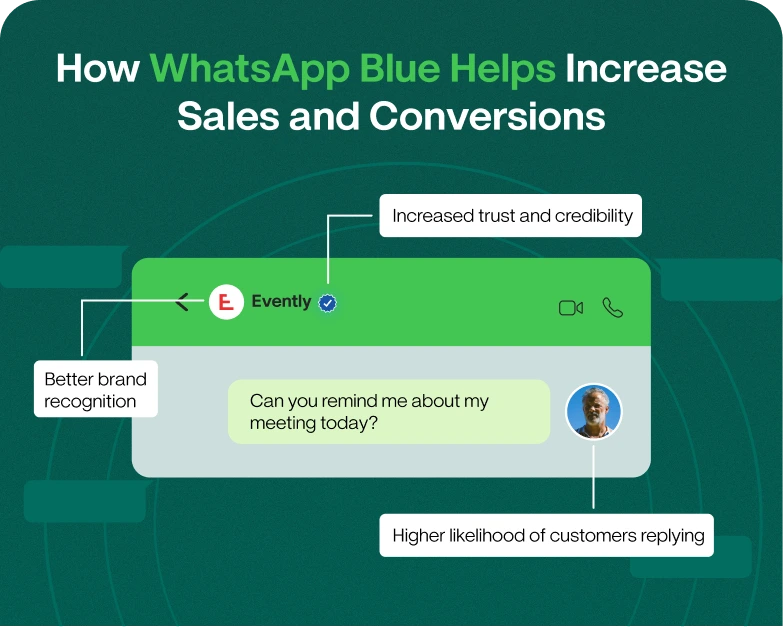
WhatsApp for business communications is one of the best technologies that modern brands can use. With things like:
- Profiles of businesses
- Fast answers
- Catalogues of products
- Send out messages
- WhatsApp Business API for automating things
A local store uses WhatsApp Business to communicate delivery updates, confirm orders, and share photographs of their products. Customers reply more quickly, and the number of repeat purchases goes up a lot.
2. Facebook Messenger for Work
Best for: Getting customers involved through social media
Messenger works perfectly with ads on Facebook and Instagram. Brands can:
- Automatically respond to ad questions
- Give customers help right away
- Send updates on orders
An eCommerce brand runs ads on Instagram. When consumers select “Message,” they start a chat in Messenger right away. This cuts down on drop-offs and improves lead quality.
3. Telegram for Work
Best for: Building a community and broadcasting
Telegram works with:
- Big groups and channels
- Messaging that is safe
- Sharing files
- Bots for automation
A tech business uses Telegram channels to send updates, promotions, and special deals to thousands of people who follow them.
4. Slack (for sending messages within a business)
Best for: Working together and talking to each other
Slack isn’t for customers, but it’s very important for messaging within the company. It:
- Lessens the amount of mails you get
- Makes decisions faster
- Works with technologies like Google Drive, CRM, and apps for managing projects
5. Teams from Microsoft
Best for: Businesses and teams that work from home
Microsoft Teams is a mix of:
- Talk
- Meetings by video
- Sharing files
- Integration with Office 365
Great for big companies that need to keep track of their internal communication and work.
How to Use Messaging Apps for Business in Steps
Step 1: Pick the Right Messaging Apps
Don’t try to be everywhere at once. Pick platforms based on where your clients spend the most time.
- Brands that sell to consumers use WhatsApp and Messenger.
- B2B brands: WhatsApp, Teams, and Slack
- Brands that care about the community → Telegram
Step 2: Make a Business Profile That Looks Professional
Make sure your profile has:
- Name and logo of the business
- A description of the services
- Information about how to get in touch
- Hours of work
This helps others trust you and believe you.
Step 3: Set Up Automatic Replies
Use automation to:
- Say hello to new users
- Respond to common questions
- Tell me the status of my order
- Send talks to the right group
Automation makes sure that responses are quick without losing the personal touch.
Step 4: Combine analytics and CRM
When you connect modern messaging apps for business to CRM systems, they operate best. This lets you:
- Keep an eye on talks
- Know the history of your customers
- Make answers personal
- Check how well you’re doing
Step 5: Teach your team how to sell by talking to people
Messaging is not the same as email. Teach your team to:
- Use language that is courteous and to the point
- Act fast
- Don’t use jargon
- Don’t worry about scripts; focus on solutions.
Benefits of Using Messaging Apps for Business
A Quick Look at the Main Ones
- More people who open and read than email
- Shorter time to respond to leads
- Better client satisfaction
- More sales and conversions
- More loyal customers
Why It Gives You an Edge Over Others
Companies that use the finest messaging applications for business frequently do better than those that just use traditional methods. Messaging makes people trust you more, makes things go more smoothly, and speeds up the customer experience.
Real-Life Business Situations
Retail and E-Commerce
- Questions about products through WhatsApp
- Updates on orders and deliveries
- Reminders for abandoned carts
Health care
- Reminders for appointments
- Notifications of test results
- Chats for patient support
School
- Questions about admission
- Updates on courses
- Help for students
Things You Shouldn’t Do
- Sending customers too many deals
- Replies that are slow or not consistent
- Too much automation without any help from people
- Not caring about privacy and permission
When used wisely and properly, messaging apps for business function best.
Messaging Apps for Business: Frequently Asked Questions
1. Which texting apps are better for business?
Depending on your business goals and audience, the top messaging apps for business are WhatsApp Business, Facebook Messenger, Telegram, Slack, and Microsoft Teams.
2. Is WhatsApp a smart way to send business messages?
Yes. WhatsApp for business messaging is one of the best ways to talk to customers because it has high open rates, automation, and personalisation.
3. Can small businesses use messaging applications in a good way?
Yes, for sure. Messaging applications are especially useful for small businesses since they are cheap, easy to use, and let firms talk directly to customers.
4. Are messaging applications safe for corporate communication?
Most texting apps these days have security and encryption capabilities. But corporations should still follow the rules for protecting data and getting consent.
5. How do messaging applications help businesses sell more?
They speed up response times, build trust, let customers talk to each other in a more personal way, and help customers make judgments about what to buy faster.
The Future of Business Texting
Messaging apps for business will get even better as AI, chatbots, and automation get better. Brands who put money into things early will have better relationships with customers and stay ahead in a market that is getting more and more competitive.
Conclusion: Don’t only run campaigns; start conversations.
Messaging apps are no longer just nice to have; they are now necessary. The firms that win are the ones that focus on actual interactions instead of one-way communication, whether you’re using WhatsApp for business, Messenger, or Telegram.
Call to Action (CTA)
Are you ready to use messaging applications to grow your business?
Pick the correct platform, set up professional communications, and have quick, personal chats to get started. Use advanced tools, automation, and integrations to improve the way your organisation communicates.