Table of Contents
Best Strategies to Automate WhatsApp Messages for Marketing
Customers today want quick responses, personalised contact, and smooth experiences, especially on platforms they use every day. If your business depends on answering WhatsApp messages by hand instead of using tools to automate WhatsApp messages, missing conversations or taking too long to follow up, you can be losing important leads and sales without ever knowing it.
This is where automating WhatsApp messages really makes a difference.
This blog will explain what WhatsApp automation is, how it works, and how businesses use it to increase sales, get more people to interact with them, and save time. This tutorial will help you learn how to automate WhatsApp messaging for business growth in a sensible and human approach, whether you’re new to WhatsApp or already use it for business.
What does it mean to set up WhatsApp messages to send automatically?
WhatsApp message automation is the use of tools or software to send, receive, and manage messages on WhatsApp automatically, without having to do it by hand. This way, the experience is still personalised.
Automation lets firms do the following instead of answering each consumer individually:
- Send answers right away
- Set up messages
- Send notifications based on what users do
- Handle a lot of discussions quickly and easily
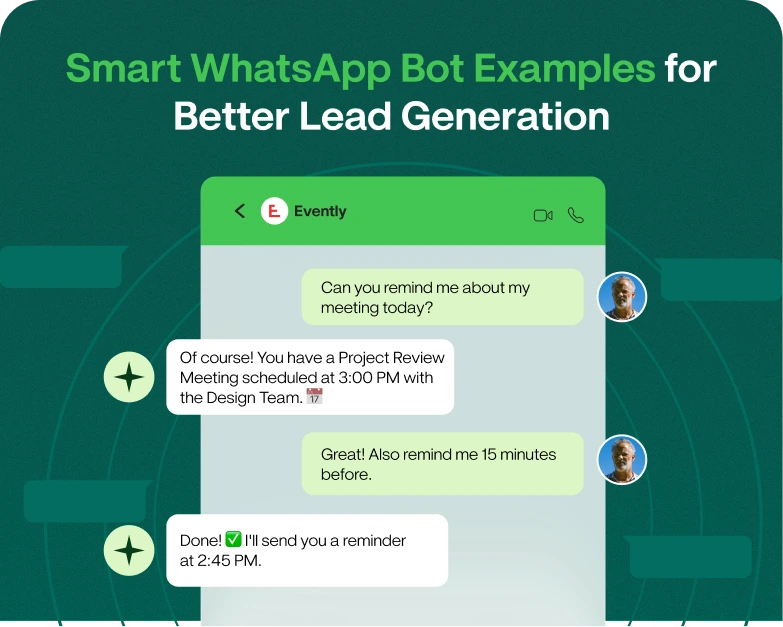
With the WhatsApp Business API, organisations can set up processes that automatically react to consumers 24/7, qualify leads, and help users through the sales process.
Automation doesn’t take the place of talking to people; it makes it better by taking care of boring duties so your team can have more important conversations.
Why WhatsApp is a Great Tool for Sales and Engagement
Before we get into automation more, let’s talk about why WhatsApp is such a great tool for businesses:
- More than 2 billion people use it every day.
- More than 90% of people open messages.
- Customers already trust the platform and use it every day.
- Talking to someone directly feels personal.
- More interaction than email or text messages
WhatsApp is one of the best methods for getting leads, nurturing them, and turning them into customers when used with automation.
How to Use WhatsApp Automation (Step by Step)
Here’s a simple explanation of how businesses use WhatsApp to send automated messages:
Step 1: Get access to the WhatsApp Business API
You need to be able to use the WhatsApp Business API (typically through an official WhatsApp solution provider) to automate WhatsApp messaging for business.
Step 2: Link up a WhatsApp Automation Platform
Use a CRM or WhatsApp automation tool that supports:
- Automatic replies
- Bots for chat
- Templates for messages
- Automating workflows
Step 3: Set up triggers for automation
You can send messages when:
- A new lead has been sent in
- A call that was missed
- A form on a website
- A message with a keyword, such “PRICE” or “DEMO”
- Abandoning a cart or confirming an order
Step 4: Make message flows
Make speech flows like:
- Messages of welcome
- Questions to qualify leads
- Suggestions for products
- How to make an appointment
Step 5: Keep an eye on things, make improvements, and give them to people
Automation takes care of simple questions, but salespeople can take over interactions that are more complicated or have a higher aim.
Examples of how businesses use WhatsApp automation
1. Set up WhatsApp messaging to automatically send messages to leads
Instead of losing leads because they don’t respond right away, firms can:
- Respond right away to leads from Facebook and Google Ads
- Automatically ask qualifying questions
- Based on answers, group leads
For example
A real estate company sends an automated WhatsApp message 10 seconds after someone fills out a form:
“Hey John! Thank you for your interest. Do you want a 2 BHK or 3 BHK apartment?
This quick involvement greatly raises conversion rates.
2. Use automated follow-ups to make more sales
- Bad follow-ups cost a lot of sales. WhatsApp automation is helpful because
- Sending texts to remind
- Getting cold leads back in touch
- Following up following demos or questions
For example
An online course provider sends out:
- Day 1: Information about the course
- Day 3: Student reviews
- Day 5: Offer of a discount for a short time
All of this without any work on your part.
3. Automating Customer Support
WhatsApp automation can answer common questions like these:
- Order status
- Prices
- Hours of operation
- Policy for refunds
This makes the support team’s job easier and makes customers happier.
4. Updates and notifications about orders
Businesses that sell things online and provide services utilise automated WhatsApp messages for:
- Confirmations of orders
- Updates on shipping
- Reminders to pay
- Confirmations of appointments
Customers like getting updates on WhatsApp in real time instead of emails that they might never read.
5. Campaigns to Get People to Come Back and Stay
WhatsApp automation isn’t just good for getting new leads; it’s also good for keeping them:
- Alerts for when products are back in stock
- Reminders to renew
- Offers that are made just for you
- Requests for feedback
The advantages of automating WhatsApp messages
1. Quicker response times
Customers get answers right away, even while the store is closed.
2. More sales that turn into sales
Quick interaction and regular follow-ups make a big difference in conversions.
3. Better experience for customers
Messages that are personal, useful, and sent at the right moment build trust and loyalty.
4. Communication that can grow
You can handle hundreds or thousands of interactions without hiring more people.
5. Lower costs of doing business
Automation reduces down on repetitive chores and work that needs to be done by hand.
How to Use WhatsApp Automation Without Sounding Like a Robot
When automation feels human, it works best. Do the following:
- In messages, use the name of the customer
- Keep your messages short and kind.
- Don’t spam; send stuff that adds value.
- Give people the chance to talk to a genuine agent
- Use emoticons carefully to sound nice
- Make it personal based on what users do and like
Real-World Example: Using WhatsApp Automation to Grow a Small Business
A neighbourhood fitness studio had a hard time handling daily WhatsApp questions. There were delays in responses, and many leads went away.
After setting up WhatsApp automation:
- Quick responses to new questions
- Automated bookings for trial classes
- Messages reminding people to show up cut down on no-shows.
- Memberships that last a month went up by 35%.
The owner now has more time to expand the firm and less time on the same old conversations.
Things to Avoid Doing
- Sending too many ads
- Not gaining permission from the user
- Using templates that are not specific or customised
- Not paying attention to analytics and performance data
- Not routinely updating automation flows
How to Automate WhatsApp Messages
1. Is it against the law to send WhatsApp messages automatically?
Yes, as long as you use the official WhatsApp Business API and follow WhatsApp’s rules, such as getting users to agree to it.
2. Is it possible for small businesses to automate WhatsApp messages?
Yes, for sure. WhatsApp messaging for lead creation, support, and follow-ups can be automated by even small enterprises.
3. Do automated WhatsApp messages seem cold?
No, if done right. Automation seems useful, not robotic, when it has personalisation, smart triggers, and human handovers.
4. What is WhatsApp automation for getting leads?
It includes automatically getting, qualifying, and nurturing leads through WhatsApp messages that are sent when users do something.
5. Is it possible for WhatsApp automation to work with CRM?
Yes, most WhatsApp automation tools work with CRMs to keep track of chats, leads, and sales data.
Last Thoughts: Why You Should Start Automating WhatsApp Right Now
People who buy things are already on WhatsApp. The actual question is: Are you responding quickly enough?
By deciding to automate WhatsApp messages, you:
- Never miss a lead
- Get customers interested right away
- Make sales more efficient
- Give more customers better experiences at scale
Automation isn’t about taking over for people; it’s about giving your organisation the tools it needs to grow smarter and quicker.
Call to Action
Now is the best moment to start automating WhatsApp messages for your business.
Look into a way to automate WhatsApp
Ask for a demo. Use WhatsApp to turn more leads into customers today.