If you’ve ever tried to handle client messages on ordinary WhatsApp, you may have run into this issue:
It’s hard to maintain track of business-related messages when chats build up and client questions become mixed in with personal talks.
This is exactly why a lot of business owners, freelancers, and entrepreneurs start to think…
“Should I switch to WhatsApp for business? What’s the true difference? And is it worth it? “
This article gives you a clear, detailed, and humanised comparison between WhatsApp and WhatsApp Business, so you can choose the one that works best for you.
This tutorial will explain everything you need to know about the two apps in simple terms, including their features, use cases, examples, benefits, frequently asked questions, and more.
Table of Contents
What is WhatsApp? (For People Who Are New to It)
WhatsApp is one of the most popular messaging apps in the world. It’s mostly used for personal communication.
It lets people:
- Talk to family and friends
- Send pictures, audio, emoticons, and stickers
- Call someone on the phone or video chat.
- Make groups for yourself
- Share updates on your status
In brief, WhatsApp is the messaging app you use every day for personal chats.
But when companies started using it to talk to customers in a more casual way, WhatsApp saw a bigger chance and formed WhatsApp Business.
What does WhatsApp Business do? (An easy-to-understand explanation)
WhatsApp Business is a special version of WhatsApp that helps business owners communicate with customers more professionally. Here is what it has:
- A business profile that includes the name, address, hours, and website of the business
- Automated replies like messages saying hello and messages saying you’re away
- Quick answers to frequently asked questions from customers
- Tags can help you keep track of communications, including “New Lead,” “Pending Payment,” and “Order Confirmed.”
- Catalogue to show off goods and services
- Broadcasting information about business updates
In basic terms:
WhatsApp is for personal use.
WhatsApp Business is a way to talk to customers and run your business.
A Detailed Comparison of WhatsApp and WhatsApp Business Features
Here is a clear side-by-side comparison to assist you make a choice.
1. Reason for Use
WhatsApp and WhatsApp Business are both apps.
Main Purpose: Talking to friends and family, talking to customers at work
People, friends and family, small enterprises, stores, freelancers, and service providers can all use it.
If you want to message customers, WhatsApp Business is the better choice.
2. Setting Up a Business Profile
WhatsApp and WhatsApp Business are both features.
Business Profile: Not Available Yes—business name, hours, location, email, website, description
This makes it easier for clients to trust your brand and see business information without having to ask again and again.
3. Tools for messaging and automation
WhatsApp (for personal use)
Only lets you send messages by hand. No automation.
WhatsApp Business has:
- Messages that say hello (sent automatically when a consumer messages for the first time)
- Messages that say you’re not available
- Quick Replies (save answers you use a lot)
- Tags (make talks more professional)
For example:
Every morning, the bakery gets more than 30 SMS wondering what is on the menu for the day.
They can set up a Quick Reply like /menu with WhatsApp Business to send a pre-written reply right away.
4. Feature of the Product Catalogue
Feature: WhatsApp and WhatsApp Business
Catalogue: No, yes—show items and services with pictures, prices, and descriptions.
This is really helpful for:
- Hair salons
- Cafes
- Small stores
- Sellers on the internet
- People who work for themselves
5. Broadcast Lists and Reaching Customers
Both apps let you send broadcasts, however WhatsApp Business is better for keeping customers up to date on things like:
- New arrivals
- Deals
- News about the holidays
- Reminders of appointments
Advice:
To get broadcast messages, the customer must save your number.
6. WhatsApp Web and support for multiple devices
Both of these apps work with WhatsApp Web.
But WhatsApp Business also works on several devices, which is helpful for small groups.
7. Organising Chats
WhatsApp: You can’t organise chats.
You can add labels to WhatsApp Business, like:
- A new customer
- Waiting for payment
- Order sent
- Need to follow up
This cuts down on mistakes and makes the customer experience better.
8. Features of Branding
WhatsApp Business helps with branding in the following ways:
- Profile of the business
- List
- Verified business badge (for accounts that have been approved)
9. WhatsApp Business API (for businesses with a lot of employees)
WhatsApp Business operates on mobile phones, however bigger enterprises can utilise the WhatsApp Business API for:
- Integrations with CRM
- Chatbots that run on their own
- Notifications in bulk
- Support for multiple agents
This edition is great for businesses and new businesses that are growing.
Which app should you use in real life?
Scenario 1: A designer who works for themselves
You get 20 to 30 questions per week. Quick Replies let you answer common questions like how much something costs or when it will arrive.
WhatsApp Business is the best choice.
Scenario 2: A café that sells sandwiches every day
Catalogues and greeting messages assist people learn about the daily menu and costs.
WhatsApp Business is the best choice.
Scenario 3: A teen talking to pals
You only need to talk to people.
WhatsApp is the best choice.
Scenario 4: An proprietor of a small store
It’s easier to share new arrivals with broadcast lists and catalogues.
WhatsApp Business is the best choice.
Scenario 5: A new business with a support team
Need automatic replies and access for more than one agent.
The best choice is the WhatsApp Business API.
Important Benefits of WhatsApp Business
1. Better Experience for Customers
Customers get quick answers, instant information, and organised communication.
2. Automation Saves Time
Greetings and away messages make things easier.
3. Helps people trust you
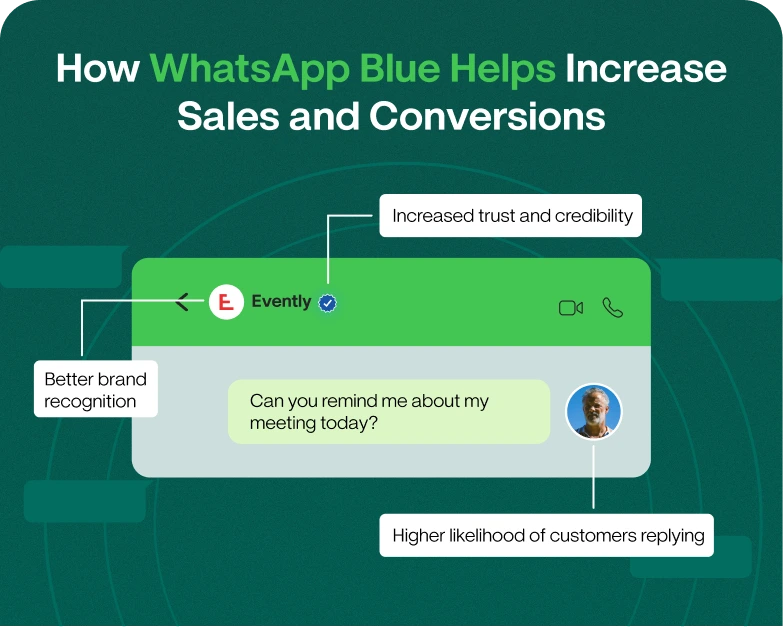
A professional profile with all the brand information boosts customer trust.
4. Conversations that are organised
Labels help keep track of and store consumer trips.
5. More conversions
Cataloguing and broadcasting together make products more visible and sales happen faster.
Which one should you pick? (WhatsApp vs. WhatsApp Business)
This is the easiest rule:
- If you exclusively talk to people one-on-one and don’t manage clients, use WhatsApp.
- Use WhatsApp Business if you own a business, no matter how little it is.
- If your business starts to grow and needs to be automated, add CRM or API technologies later.
WhatsApp vs. WhatsApp Business: What is the difference?
1. Is it possible to have both WhatsApp and WhatsApp Business on the same phone?
Yes, you can install and utilise both applications if you have two distinct phone numbers.
2. Does WhatsApp Business cost anything?
Yes, the primary WhatsApp Business app is free to use.
The WhatsApp Business API may cost money.
3. Does WhatsApp Business reveal that I have a business account?
Yes, your profile says “Business Account,” which makes clients trust you more.
4. Can I move my talks from WhatsApp to WhatsApp Business?
Yes, you can move all of your chats throughout the installation process.
5. Is it safe to use WhatsApp Business?
Yes, it uses the same end-to-end encryption as WhatsApp does.
Last Thoughts and a Call to Action
WhatsApp Business is more than simply a better version of WhatsApp. It’s a powerful tool that can help you talk to people better, save time, and expand your business. Switching from normal WhatsApp to WhatsApp Business might make your business easier and more professional right away if you still use regular WhatsApp to talk to customers.
If you need help setting up your WhatsApp Business system or want tools to automate your customer communications, don’t hesitate to ask for help, look through our guidelines, or seek expert advice.