Table of Contents
Are You Missing Out on the Next Big Change in Marketing?
Picture this: a consumer goes to your website, clicks on a WhatsApp button, and starts a guided chat that answers inquiries, suggests items, and even takes payments—all without the need for a human agent.
WhatsApp Flows is a revolutionary automation platform that is revolutionizing how organizations talk to customers, nurture leads, and close transactions.
In today’s fast-paced digital environment, old-fashioned marketing funnels are losing their appeal. People want experiences that are quick, tailored to them, and participatory. People don’t read emails, and chatbots often sound like robots.
But WhatsApp Flows are a nice shift. They enable businesses to start discussions that feel personal and turn curiosity into action.
This article will explain what WhatsApp Flows are, why they are important, and how you can use them to make powerful WhatsApp workflows that will change the way you sell your business.
What are WhatsApp Flows?
WhatsApp Flows are automatic discussion channels that let businesses create interactive, step-by-step experiences for users inside WhatsApp.
WhatsApp Flows don’t just send out static messages or generic replies. Instead, they use established logic, input fields, buttons, and forms to help users do specific things, like making appointments, getting feedback, generating leads, or processing orders.
WhatsApp Flows are like short customer journeys inside WhatsApp. They’re quick, friendly, and easy.
For example:
For example, you might manage an internet store that sells clothes.
You can do the following with WhatsApp Flows:
- Say hello to new users on their own.
- Tell them to pick a group (Men, Women, Kids).
- Show them the different possibilities for the product they choose.
- Let them choose the size, color, and delivery options.
- Take payments or give checkout links—all in the same chat.
No back-and-forth that goes on forever. No need to wait for people. Just automated guided discussions that flow well.
Why WhatsApp Flows Are a Big Deal for Marketing Today
1. Instant Engagement
More than 98% of people read WhatsApp messages, and they usually do so within minutes.
That implies that people will see your marketing messages, offers, and surveys right away, unlike emails that could go unread for days.
2. Conversations that are tailored to you
You can make dynamic WhatsApp processes that change messages based on what the user does, what they like, or what they talked about before.
For instance, a consumer who comes back might see “Welcome back! Do you want to buy the same thing again? — a tiny change that makes conversions go up.
3. Getting Leads Is Easy
You can collect user information directly in conversation with WhatsApp Flows, so you don’t have to deal with cumbersome web forms that annoy users.
4. Higher Conversion Rates
WhatsApp talks with a guide make it easier to make decisions.
Users are much more likely to convert when they obtain help right away and personalized suggestions.
5. Automation and a personal touch
WhatsApp Flows are different from other bots in that they feel natural and easy to use.
You can still send complicated questions to a live agent, which keeps a balance between automation and empathy.
How to Make WhatsApp Workflows That Get Things Done
Let’s go through a useful, step-by-step guide on how to make WhatsApp Flows that can help your business.
Step 1: Figure Out What You Want to Achieve with Your Marketing
Start with a clear goal:
- Do you want to get leads?
- Promote a new item?
- Give help to customers?
- Get reviews or feedback?
- Every goal needs a different flow design.
💡 For example:
You may make a flow that collects a person’s name, email address, and interest in a product to get leads.
You might make a flow for product recommendations for eCommerce.
Step 2: Plan the Customer Journey
Make a rough draft of your discussion path before you start constructing.
Use flowchart tools or even a whiteboard to make a plan:
- The way in (QR code, website button, ad click, etc.)
- The order of the messages
- Decision points (Choose Yes or No)
- The last step (like signing up, checking out, or downloading)
This clear picture lets you make conversations that are smooth and make sense.
Step 3: Pick the Best WhatsApp Business Platform
You normally need to use an official provider like Wbotz, Twilio, or 360Dialog to get to the WhatsApp Business Platform in order to make WhatsApp Flows.
You can do the following on these platforms:
- Make and keep track of flows.
- Send messages automatically.
- Connect to payment systems, websites, and CRMs.
Step 4: Plan the Flow Experience
Talk to each other.
Here are some recommendations for making WhatsApp Flows that are easy to use:
- Use buttons and fast replies to make choosing easier.
- Don’t write extended paragraphs; keep your communications short and to the point.
- Use emoticons to make the tone welcoming and interesting.
- Add the user’s name or location to the messages to make them more personal.
For important activities, such as “Are you sure you want to confirm your booking?” add steps to confirm.
Step 5: Make everything automatic and work together
You may automatically save leads, send follow-up messages, or update customer information by connecting your WhatsApp Flow to your email or CRM system.
For example:
- When someone fills out a demo form on WhatsApp, their information goes straight to your CRM.
- After someone buys anything, they get a thank-you message or a request for feedback.
Step 6: Test and Improve
Test your flow thoroughly before you start:
- Do all the buttons work?
- Are the messages going off at the right time?
- Does that sound like a normal conversation?
Once it’s live, keep an eye on engagement metrics like:
- Rates of opening messages
- Rates of completion
- Places to drop off
Then, use real data to improve the user experience even more.
Example from the Real World: How WhatsApp Flows Work
A Travel Agency Increases Bookings by 40%: A Case Study
A travel agency of medium size added WhatsApp Flows to their marketing funnel.
What they did was:
- Used a WhatsApp button on Facebook Ads to start a trip flow.
- The flow welcomed users and asked them where they wanted to go and how much money they had.
- Based on the answers, it showed personalized trip packages.
- Users that were interested were told to confirm their booking dates.
Results:
The agency said within 60 days:
- 40% more people asking to book
- 25% faster replies
- Three times better customer satisfaction
What should you remember?
WhatsApp Flows’ guided discussions remove friction and make marketing truly conversational.
The Best Things About Using WhatsApp Flows for Marketing
1. A smooth customer journey
Customers can find, learn about, and buy anything without leaving WhatsApp.
2. Less work to do
Automation takes care of repetitive questions, so your team can focus on interactions that are worth their time.
3. More trust and involvement
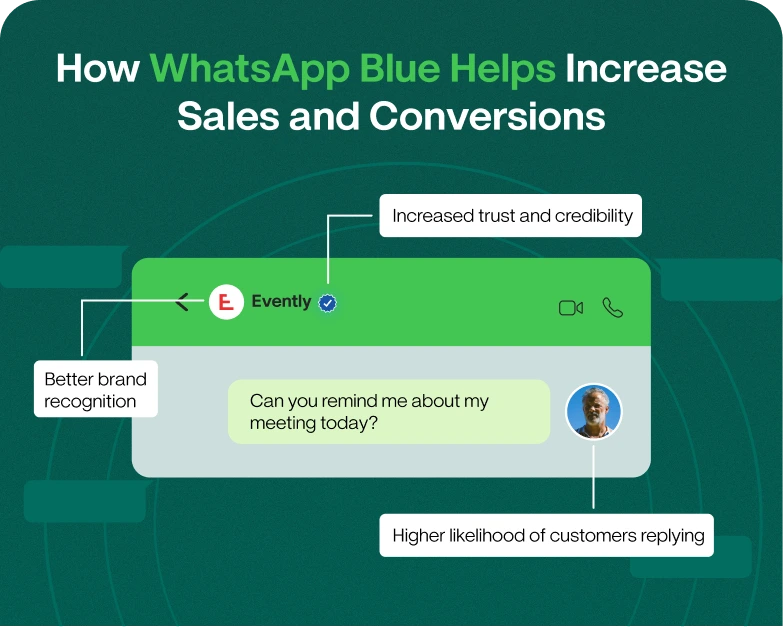
WhatsApp’s verified business accounts and end-to-end encryption make people feel safe, which is important for online transactions.
4. Integration across all channels
You can make a consistent experience across all platforms by using WhatsApp Flows with email, social media, and web chat.
5. Lead nurturing that doesn’t cost a lot
Automated WhatsApp workflows have a strong return on investment and cheap operating expenses compared to sponsored ads or call centers.
Best Ways to Make WhatsApp Flows Work for You
- Keep it Simple: Don’t make your first flow too complicated. Concentrate on one main goal.
- Make your language sound more human—don’t use robotic text. Write the way you talk.
- Give users choices instead of making them choose one answer that works for everyone.
- Keep Updating—Add new deals or updates to flows on a regular basis.
- Respect Privacy: Follow WhatsApp Business Policy and get the right permission before sending a message.
Questions and Answers About WhatsApp Flows
1. What do people use WhatsApp Flows for?
WhatsApp Flows are a way for businesses to automate guided discussions that help them get leads, enroll customers, sell products, collect payments, or give support—all inside WhatsApp.
2. Do I need to know how to code to make WhatsApp workflows?
No. You don’t need to be a tech expert to make automated interactions with several platforms, such as Wbotz, that provide drag-and-drop flow builders.
3. Can WhatsApp Flows work with payment gateways or CRMs?
Yes. You may connect WhatsApp Flows to payment gateways, CRM systems, and eCommerce platforms to make automation and data syncing easy.
4. Are WhatsApp Flows good for small businesses?
Yes, of course! WhatsApp Flows can help small and medium-sized businesses connect with customers automatically, cut down on tedious work, and boost sales without having to hire a lot of people.
5. What makes WhatsApp Flows different from chatbots?
Chatbots work by following a set of questions and answers, while WhatsApp Flows let you have interactive, form-based, and dynamic experiences that make conversations feel more natural and intuitive.
Conclusion: Conversational Marketing Will Be the Future
WhatsApp Flows are a great method to get people’s attention, help them make decisions, and get them to buy something, all through personalized, real-time chats.
Using WhatsApp Flows may change the way you market your business, whether you sell things online, give services, or run a local business. It can make your marketing smarter, faster, and more interesting.
So, don’t just send messages. Make memories.
👉 Wbotz can help you start making your WhatsApp Flows today.
to make your marketing automation even better.